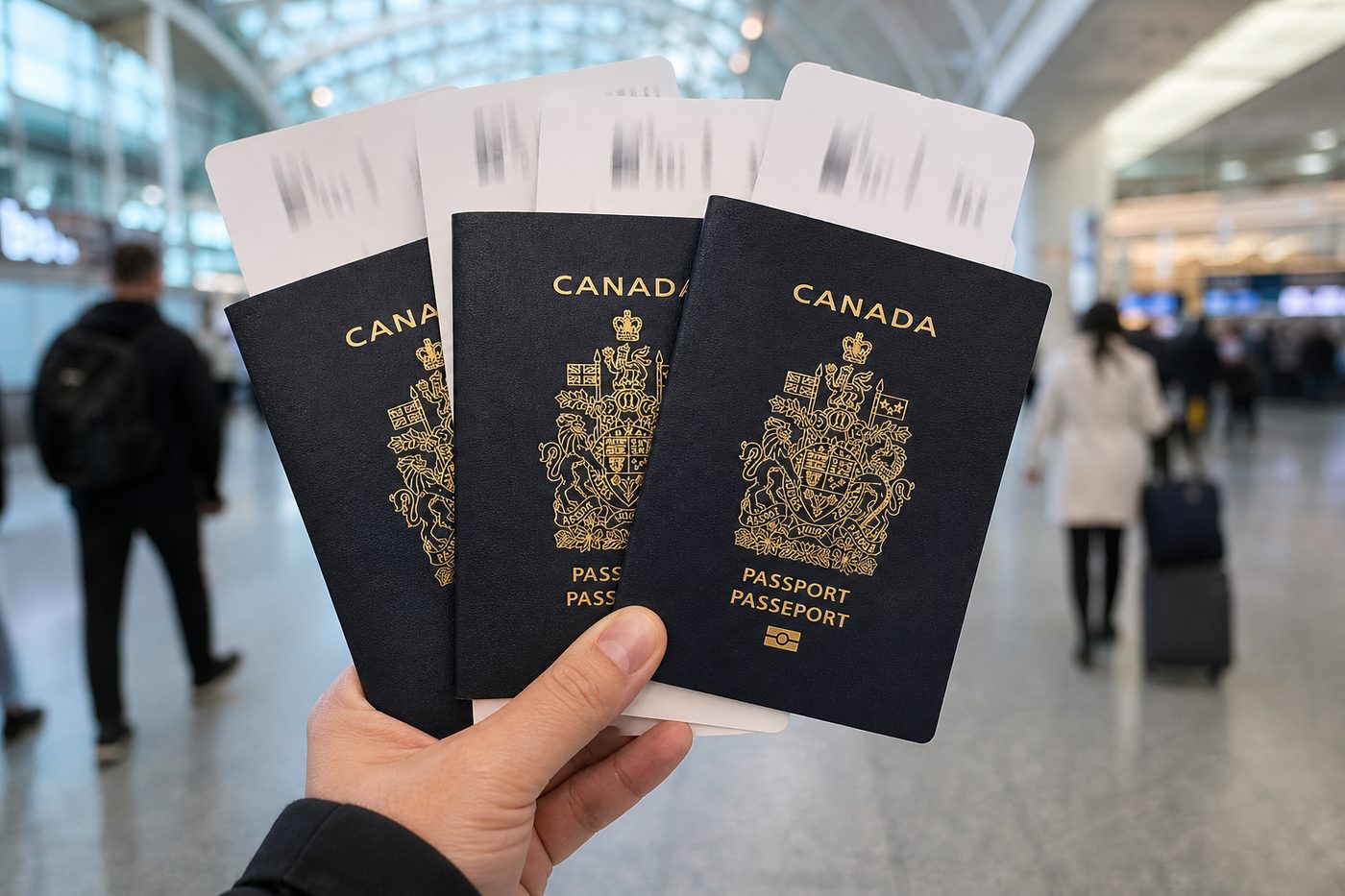
Planning a short city break can feel overwhelming when you only have 48 hours to make the most of your time. We sat down with our front desk team to answer the most common questions guests ask when organizing a two-day urban getaway. Whether you are wondering about the best arrival time, what to pack in a small bag, or how to balance sightseeing with relaxation, this guide draws on years of helping travelers make the most of brief visits. The key is realistic planning that leaves room for spontaneity.
When Should I Arrive and Depart?
The most successful two-day breaks start early. If possible, arrive by mid-morning on day one so you have a full afternoon to explore after checking in or dropping your bags. Many hotels, including ours, will store luggage before check-in time, letting you start your visit immediately. For departure, a late afternoon or evening flight on day two gives you nearly two full days in the city. Avoid arriving late on day one and leaving early on day two, which effectively gives you only 24 hours. Weekend visits often mean busier attractions and higher prices, while midweek breaks offer better value and shorter queues. Consider your energy levels too: if you are traveling far, you might want to arrive the evening before and count that as day zero, using your two full days for activities rather than recovery from a long journey. The timing of your trip shapes everything else.
What Should I Pack for 48 Hours?
A carry-on bag or small backpack is all you need for two days. Pack one extra outfit beyond what you are wearing, plus a change of undergarments and socks. Choose versatile pieces that work for both casual sightseeing and a nicer dinner. Comfortable walking shoes are essential since you will likely cover 15 to 20 kilometers each day on foot. Bring a light jacket or sweater even in warm months, as evenings can cool down or buildings may be air-conditioned. A refillable water bottle saves money and plastic. Keep medications, phone charger, and any essential documents in your day bag. Many travelers overpack for short trips, then spend time managing luggage instead of exploring. If you forget something, cities have shops. The goal is mobility: you should be able to carry everything comfortably and move quickly between locations without worrying about your belongings. A small day pack for excursions keeps your hands free and distributes weight better than a shoulder bag during long walks.
How Do I Choose What to See?
With only two days, you cannot see everything, and trying leads to exhaustion rather than enjoyment. Start by identifying two or three must-see sights that genuinely interest you, not just what guidebooks call essential. Book tickets online for popular museums or attractions to avoid wasting time in queues. Group activities by neighborhood to minimize transit time. A good pattern is one major activity in the morning, lunch in that area, a second activity in the afternoon, then a relaxed evening with dinner and perhaps a walk. Leave at least one half-day unplanned for wandering, discovering neighborhoods on foot, or revisiting a place you loved. Some guests try to tick off ten famous sites and remember none clearly; others visit three places deeply and carry those memories for years. Consider your interests: if you love art, spend three hours in one excellent gallery rather than rushing through five. If you prefer atmosphere, skip the museum and spend that time in a vibrant market or local park watching daily life unfold.
What About Meals and Dining?
Food is a highlight of any city break, but it also takes time. Budget roughly two hours for a sit-down dinner and one hour for lunch. Book one special restaurant in advance if you have a place you are excited about, but leave other meals flexible so you can eat when and where hunger strikes. Breakfast at the hotel, if included, saves time and money. For lunch, consider markets, food halls, or casual spots where you can eat well in 30 to 45 minutes and get back to exploring. Street food or takeaway also works if you want to picnic in a park. Dinner is your chance to slow down, so choose a neighborhood restaurant where locals eat rather than tourist-heavy areas near major sights. Expect to spend roughly 60 to 100 dollars per person daily on food if you mix casual and mid-range dining. Ask hotel staff for current recommendations, as neighborhoods change and new places open regularly. Avoid eating only at chains you could find at home; local flavor comes through food as much as sights.
How Do I Balance Energy Over Two Days?
Pacing matters more on a short trip than a long one. Many visitors try to pack every hour of both days and end up exhausted or frustrated. Build in rest: a mid-afternoon coffee break, an hour back at the hotel to shower and regroup, or a leisurely lunch instead of grabbing something quick. Your energy on day two depends on not overdoing day one. If you walk 25 kilometers and stay out until midnight on your first day, you will struggle the next morning. Aim for a balanced rhythm: active morning, relaxed lunch, moderate afternoon, evening at a comfortable pace. Some travelers thrive on constant motion, others need downtime to process new experiences. Know yourself and plan accordingly. It is also fine to skip something if you are tired or the weather turns bad. The goal is to return home with good memories, not to prove you survived a punishing schedule. Two days well-paced will feel more satisfying than two days rushed. Remember that travel is about experience, not endurance.
In short
A successful two-day city break comes down to realistic expectations and smart choices. Arrive early, pack light, choose a few meaningful activities rather than a long checklist, and leave space for the unexpected discoveries that make travel memorable. The travelers who enjoy short breaks most are those who resist the urge to see everything and instead experience a few things well. Use your hotel front desk as a resource throughout your stay; we can suggest current restaurant options, help with directions, store luggage, and adjust recommendations based on weather or your interests. Two days may seem short, but with thoughtful planning, it is enough time to get a genuine feel for a place and return home refreshed rather than exhausted.
Opening hours, prices, and availability change regularly. Please confirm details directly with venues before your visit, especially for advance bookings. Sources